
Founded in 2023 and spun out of Tsinghua University’s Department of Automation, QJ Robots focuses on embodied intelligence. Its positioning is clear: it doesn’t build physical robot bodies, but develops general-purpose robot brains. The company aims to free robots from rigid pre-programmed instructions, enabling them to understand tasks, plan autonomously, and anticipate environmental changes. Earlier this October, QJ Robots launched its Polibrain Predictive World Model in Nanjing and set up its local operation in Xuanwu District.
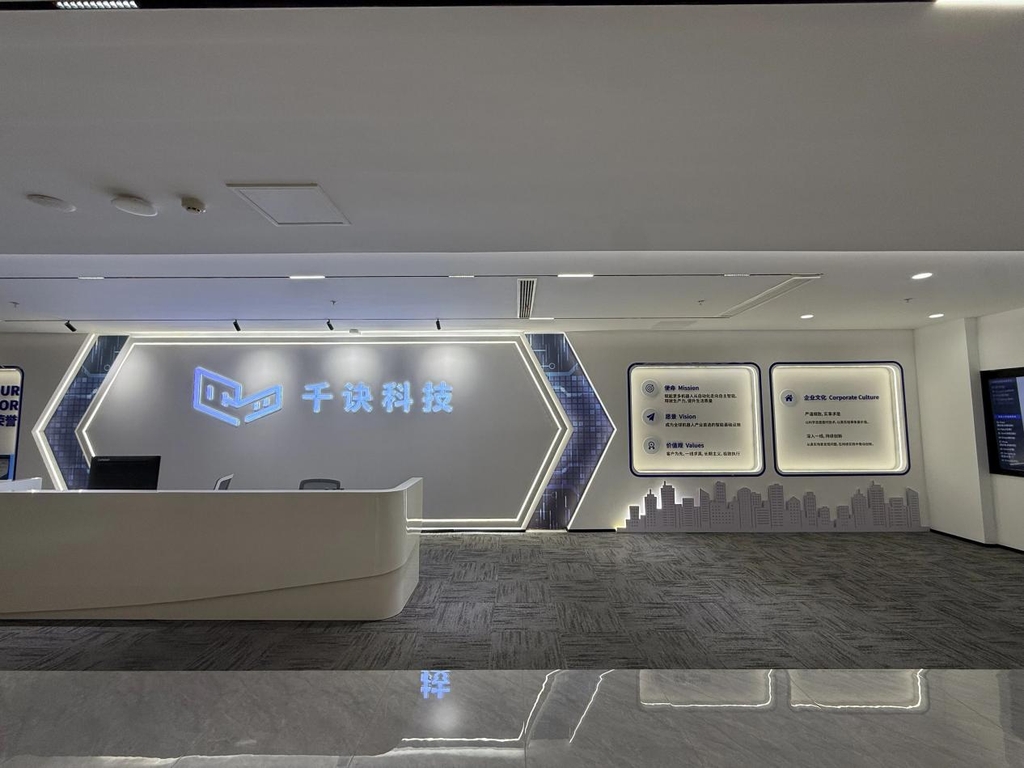
QJ Robots’ core R&D team includes some of China’s earliest neuromorphic computing researchers, with research backed by the national key brain science initiative. Dr. Gao Haichuan, Founder and CEO, specializes in causal predictive world models for long-horizon robotic tasks and has led multiple autonomous robot systems from conceptual design to real-world deployment. The company’s self-developed polynomial representation architecture follows a core logic: predict first, then act. Before executing movements, the robot forecasts how its actions will alter surrounding conditions, avoiding collisions and missteps to operate reliably in complex physical environments.
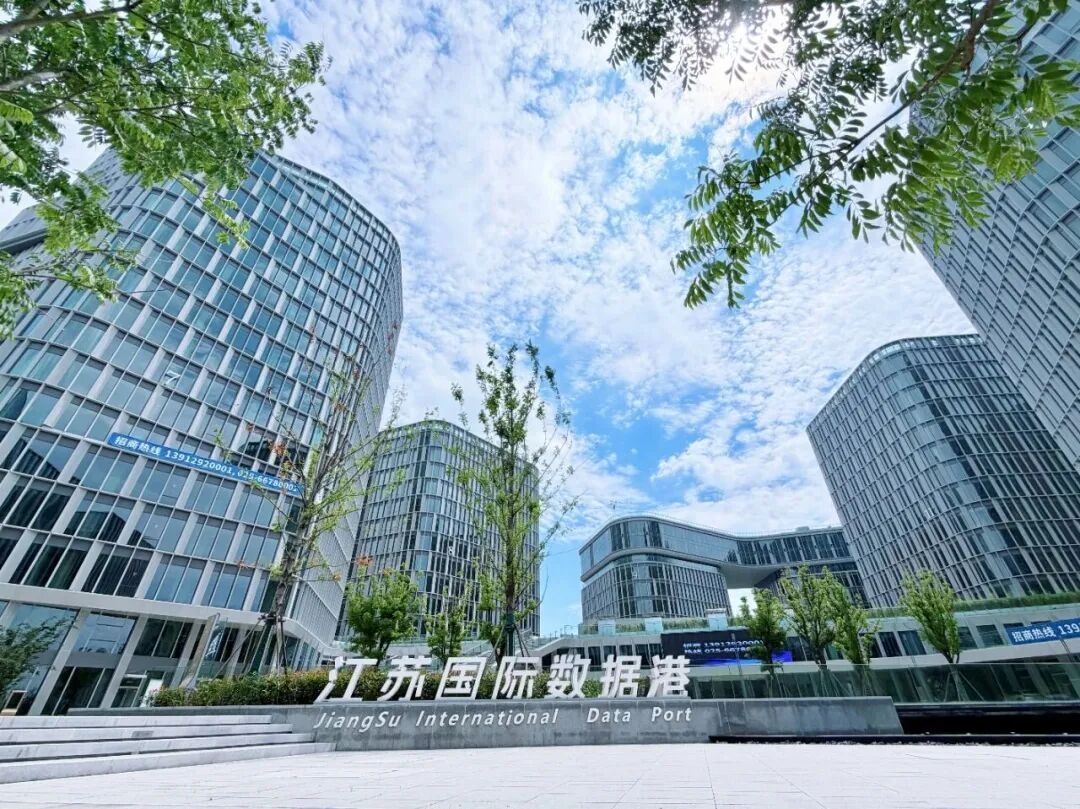
Xuanwu District was selected for its robust collaborative ecosystem for embodied intelligence. World models rely heavily on real-world interaction data and diverse testing scenarios for continuous iteration. Backed by the Jiangsu International Data Port and Jiangsu Data Exchange, Xuanwu is exploring compliant circulation and application of embodied intelligence datasets, supplying critical data resources for model training. Its Embodied AI Innovation Center hosts a wide range of physical robots, offering QJ Robots repeated cross-platform, cross-task validation environments for its universal intelligent brain.
Powered by its “One Brain, Multiple Embodiments” capability, QJ Robots’ AI solution adapts to a wide range of robot platforms and use cases. To date, the technology has been adapted to nearly 50 robot models, validated across retail, commercial cleaning, catering, and sanitation scenarios. The company has formed partnerships with leading robot OEMs, and sanitation quadruped robots equipped with its intelligent brain are already in field deployment.
Within Nanjing’s robotics ecosystem, QJ Robots acts as a technology enabler. Nanjing is home to established robot manufacturers including Estun and Yijiahe, alongside top research universities such as Nanjing University and Southeast University. Robot OEMs bring strengths in manufacturing, product development, and industry deployment, while QJ Robots delivers universal embodied intelligence capabilities. Together, they help Nanjing build a complete industrial chain covering core algorithms, robot production, and scenario-based applications, rather than only pursuing individual breakout products.
To scale industrial adoption, QJ Robots plans to leverage Nanjing’s open urban public scenarios for routine deployments in campus cleaning, municipal sanitation, and public infrastructure inspection. Robots will keep collecting data and refining performance through continuous operation. Dr. Gao notes that the long-term value of embodied intelligence lies in making robots reliable, natural service tools in daily life. Nanjing’s solid industrial foundation and open urban testbeds create ideal conditions to realize this vision.