
The China Maternal and Child Health Association held a symposium on reproductive health and the prevention and control of cervical cancer on November 14. It was at the Nanjing Maternity and Child Healthcare Hospital. Medical experts from China and abroad, along with industry representatives, discussed three-tier cervical cancer prevention, HPV diagnosis and treatment, and standardized patient triage.
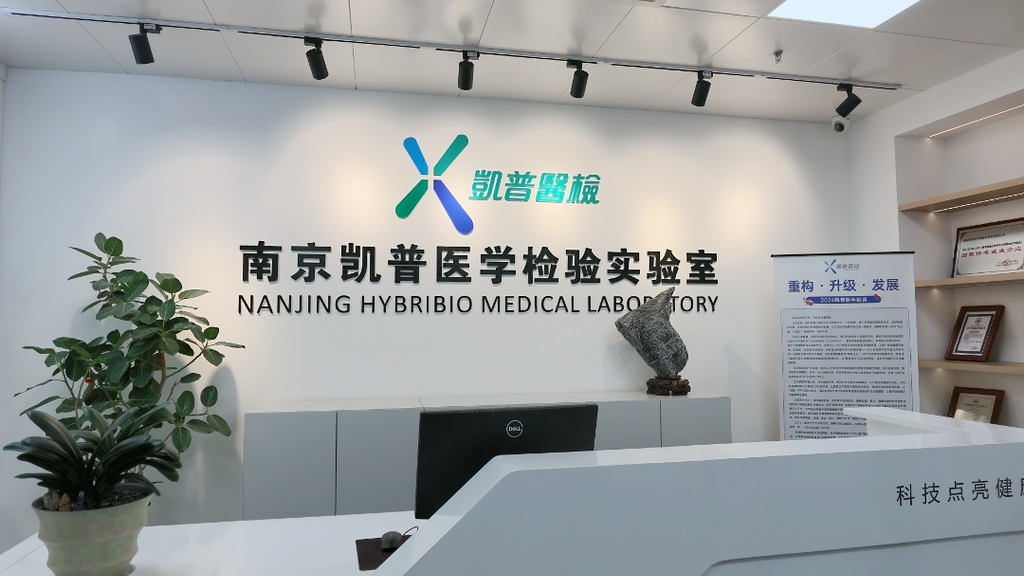
One of the keynote speakers represented Hybribio, a leading Chinese molecular diagnostics company engaged in women’s health, in particular cervical cancer screening. Founded in 2000, the company has expanded from nucleic acid diagnostics into precision testing, diagnostic instruments, drug development, and AI-powered healthcare services. Its HPV genotyping test kit was the first HPV testing product in China to receive certification as an innovative medical device.
Nanjing completes Hybribio’s 5-point China network
Located in the Jiangsu Life Science and Technology Innovation Park in Qixia District, the Nanjing Hybribio Medical Laboratory was established in 2018 as part of the company’s expansion to provincial capitals.
In 2026, it became an important part of Hybribio’s five-point network alongside established operations in Beijing, Guangzhou, Chaozhou, and Hong Kong. For a long time, eastern China has remained a gap for Hybribio and filling it required the right combination of research institutions, clinical resources, policy support, and market access.
In April this year, Hybribio designated Nanjing as one of its five headquarters. The Nanjing hub will serve as the company’s eastern China market headquarters, an innovation center, and as a base for turning research with hospitals and universities into clinical applications.
Why Nanjing? Guan Zhisheng, Hybribio’s executive deputy general manager, said the company had assessed several major cities before settling on the location.
“Nanjing’s municipal leadership is open and receptive. Coordination on industrial projects is smooth, and all sides are keen to work together. Local universities and hospitals are also enthusiastic about research commercialization,” Guan said. One episode made a lasting impression on Guan’s team. During a visit to Hybribio’s Guangzhou headquarters, Nanjing officials discussed the feasibility of early cancer screening. That same afternoon, the company’s Nanjing colleagues were asked to attend a meeting with the municipal government.
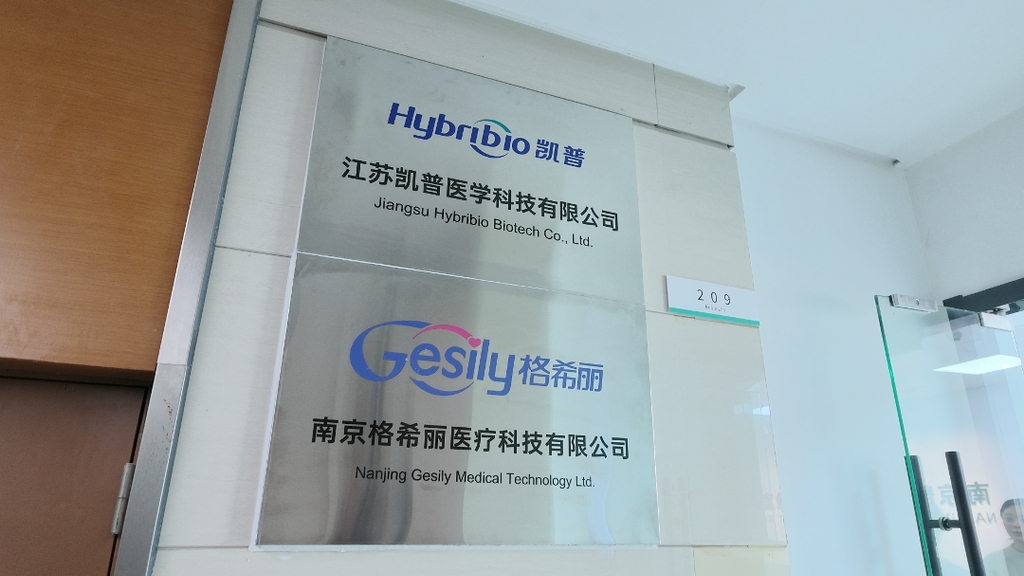
The cooperation has since moved forward steadily. In April, Hybribio and Qixia District signed a strategic cooperation agreement for a healthcare industry project, with proposed investment of over a billion yuan. The plans cover five areas: upgrading a regional precision medicine diagnostics center, establishing an eastern China sales headquarters, setting up a drug innovation platform, developing a cancer center, and bringing in Gesily’s national operations platform, which is backed by Hybribio.
The investment is expected to support research into HPV treatments and breast ultrasound technology, as well as the development of platforms for molecular pathology, mass spectrometry, and gene sequencing. It will also build screening models and standardized screening systems for breast and cervical cancers. According to Hybribio, artificial intelligence will be essential to make large-scale screening work. And the company has already integrated digital tools into the process, from sample collection and laboratory testing to clinical interpretation and follow-up management.
Hybribio Chief Scientist, Dr. Xie Longxu, said the company would continue investing in smart technologies in line with China’s national breast and cervical cancer screening programs, helping advance the World Health Organization’s goal of eliminating cervical cancer by 2030. Hybribio also plans to standardize its AI model for population-wide screening so it can be replicated elsewhere, starting in Nanjing and expanding nationwide.
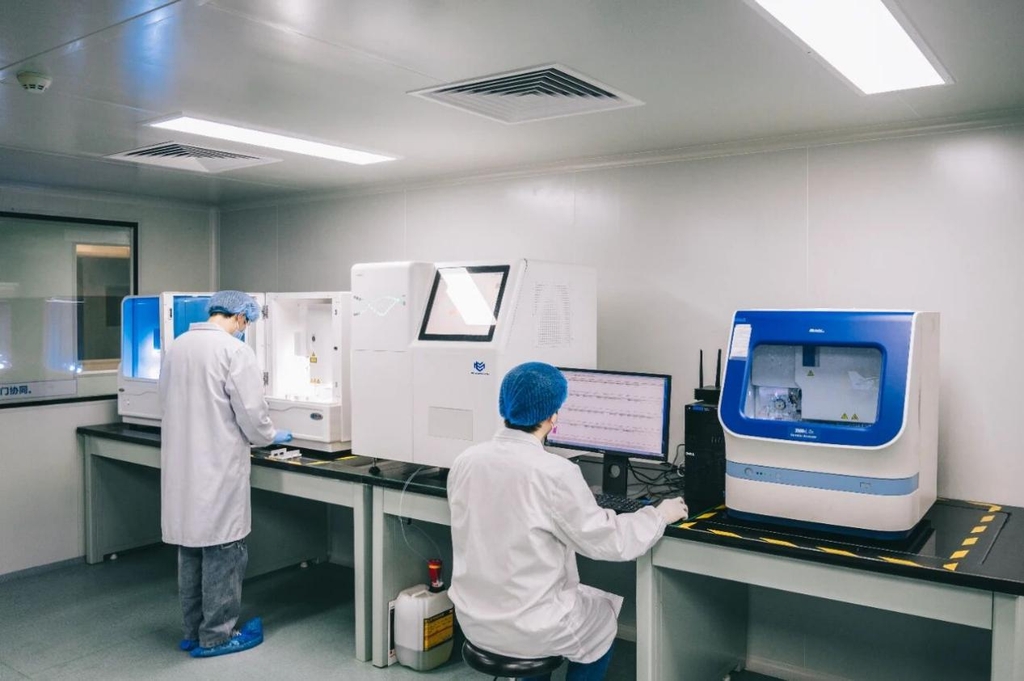
Building and operating this screening system will take more than the company’s own efforts. Nanjing’s local industrial and talent ecosystem will help realize this vision. Nanjing-based Vazyme, a leading domestic supplier of enzymes, provides support for Hybribio’s research and manufacturing. Meanwhile, universities such as Nanjing University and Nanjing Medical University continue to supply research talent suited to the company’s needs.
Gesily fills a gap in Hybribio’s breast cancer screening
The city’s combination of industrial resources and research talent has helped make Hybribio’s new venture, Gesily, a key part of its Nanjing plans.
Breast cancer and cervical cancer screenings are often paired in preventive care for women. Since cervical cancer is the only cancer with a clearly established cause, Hybribio has built deep expertise in the field. But for much of the past 15 years, it has had little involvement in breast cancer screening. Gesily is intended to fill that gap.
Nanjing Gesily Medical Technology Co., Ltd. was established in July as the company’s national and international platform. It is led by three prominent scholars: Professor Li Xiaochuan of the Medical College of Wisconsin, former head of its medical physics department, whose work spans radiation oncology, medical imaging, and artificial intelligence; Professor Guo Zhenyu, a biomedical engineering professor at George Washington University and founding chairman of Botanee Group; and Professor Zhang Yufeng of Yunnan University, whose research focuses on AI algorithms and medical ultrasound.
The interdisciplinary team is targeting longstanding challenges in screening for early breast cancer. Gesily’s core product is an AI platform for processing breast ultrasound data. It separates image acquisition from diagnosis. Trained staff carry out standard scans, then upload the images to a central platform for remote review by qualified physicians. Images can be retrieved for follow-up, and cases can be discussed by multidisciplinary teams. As Hybribio Chief Quality Officer, Professor Cai Yingmu explains that the traditional model often relies on “one physician, one device, and independent reporting”. In the new model, trained technicians handle standard image collection, freeing experienced imaging physicians to focus on interpretation, consultation, and other core clinical work.
Nanjing offers an environment suited to taking this platform into clinical use. Qixia District and the municipal government have supported Gesily’s establishment, with an efficient approval process and assistance with subsequent clinical registration. Research teams at Nanjing University have expertise in related technologies. The company and university are pursuing two in-depth collaborations in ultrasound data analysis and next-generation imaging. This follows an industry-led approach in which companies identify research needs and universities develop solutions.
A broader cancer prevention agenda beyond HPV testing
“Many people think of us as an HPV testing company, but that’s not the whole picture. From the beginning, we saw ourselves as a cervical cancer prevention company. HPV testing was the most important and effective screening tool at the time.” Guan said. Hybribio’s work has since expanded to nasopharyngeal, endometrial, and bladder cancers. Through its investment in Wuhan-based Whalt Life Technology, it has moved into early detection for colorectal, gastric, and esophageal cancers using DNA methylation liquid biopsy. Its business has also grown to include birth defect prevention, precision medication testing, infectious disease diagnostics, and geriatric health management. The broader aim is to move from testing for individual cancers toward a system that supports cancer prevention and control across multiple cancer types and throughout people’s lives.
Over the next three to five years, Hybribio plans to expand its investment in Nanjing’s healthcare sector, with a focus on elder care. It also plans to work with local universities on doctoral training programs, and to deepen industry-university collaboration.
From receiving China’s first medical device certification for an HPV testing product to developing an AI-supported screening system, and from its manufacturing base in Chaozhou, Guangdong to its innovation hub in Nanjing, Jiangsu, Hybribio has spent more than two decades developing what it calls a “Chinese approach” to cervical cancer prevention. Nanjing is now a key base from which the company plans to bring its broader cancer prevention system to more people across China.
“Investing in Nanjing is investing in the future,” Dr. Xie said.