
WESTLAND, Netherlands—At a commercial greenhouse complex here, heavy-duty electric trucks no longer sit idle for hours. A 480kW DC fast charger, built in Nanjing’s Lishui District, now replenishes a 500kWh battery in just under one hour—a turnaround that local logistics operators say cuts daily downtime by more than half.
The unit recently caught the attention of Dutch daily Algemeen Dagblad, which described it as the region’s “fastest logistics charging station.” For the manufacturer behind it—JING CHARGING (Jiangsu Jingchong New Energy Technology Co., Ltd.)—that label marks the latest milestone in a seven-year evolution from local service provider to global equipment maker.
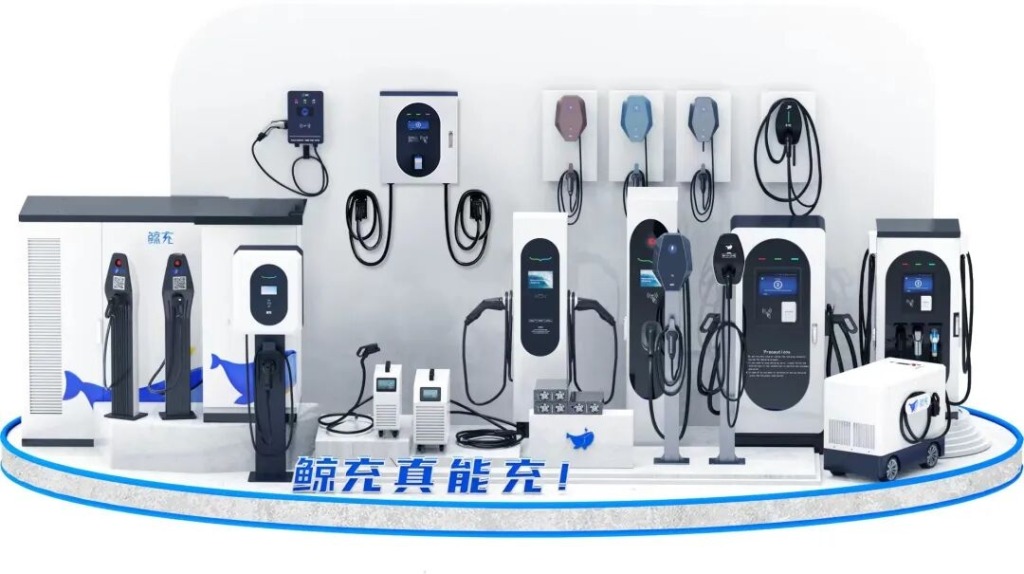
Founded in 2019 in Lishui, the company began as a charging station operator and maintenance firm. After years of fieldwork, its engineering team identified a recurring bottleneck: power semiconductors and power modules—the most critical components—were almost entirely imported, limiting cost control and customization.
The company set out to develop those components in-house. Today, JING CHARGING has three R&D teams covering power semiconductors, power modules, and full-product development, with over 80 engineers. The company holds national High-Tech Enterprise status and serves more than 50 countries.
The 480kW charger was purpose-engineered for Europe’s coastal climates, where humidity, salt spray, and temperature swings are routine. It features an independent air-duct thermal management system and meets IP55 and IK10 protection ratings—among the highest in the industry— and operates reliably from -30°C to 55°C.
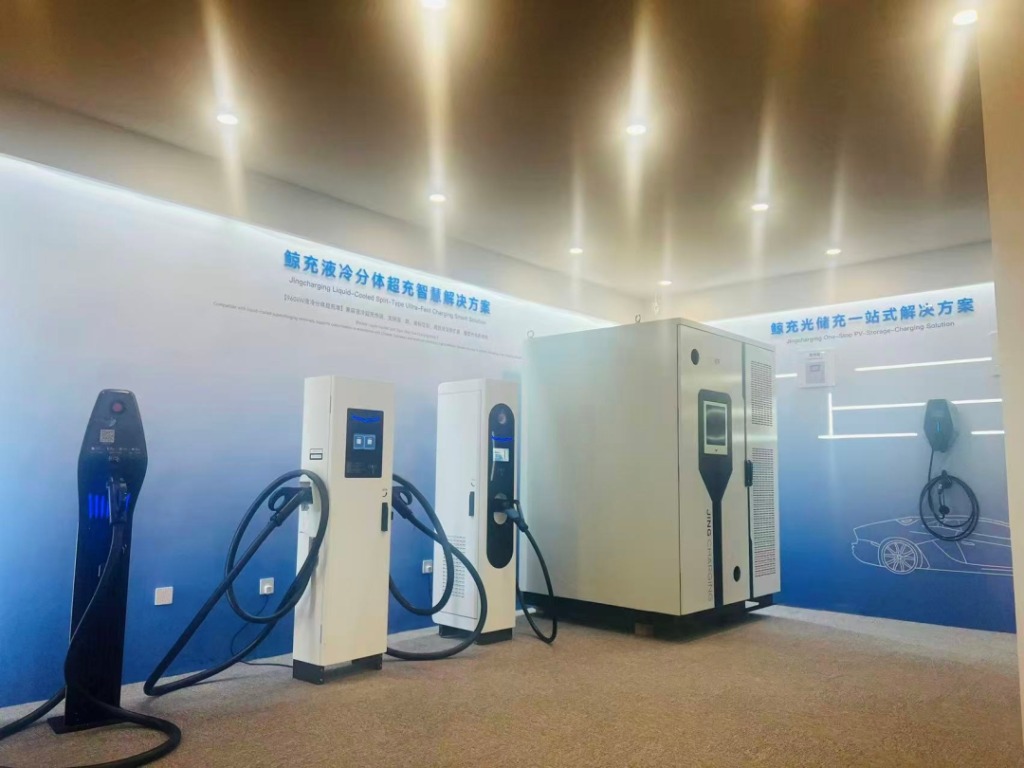
By leveraging Lishui’s mature new-energy supply chain—home to nearly 100 vehicle and parts manufacturers—the company optimized key components to achieve a service life exceeding 10 years, according to internal accelerated-aging tests.
Europe’s EV infrastructure faces a well-known bottleneck: limited grid capacity at many logistics hubs. JING CHARGING addressed this with an integrated energy-storage-and-charging system that stores off-peak electricity and releases it during high-demand sessions, enabling 480kW fast-charging even at grid-constrained sites—a key differentiator in the European market.
All products carry CE, TÜV, and FCC certifications, support the OCPP protocol for seamless network integration, and come with multilingual interfaces and localized payment options. The company also draws on O&M experience from more than 600 domestic stations to offer remote diagnostics and OTA updates for overseas clients.
Since the Dutch pilot went live, overseas orders have surged. In August, bulk shipments of high-power chargers and mobile charging units are being dispatched to the Netherlands, with Dutch partners scheduled to visit the Lishui facility next month for technical audits.
JING CHARGING exhibited at Power2Drive Europe in Munich in June, engaging with potential partners from Germany, France, and the Benelux region. A dedicated overseas website now supports direct inquiries and multilingual after-sales service.
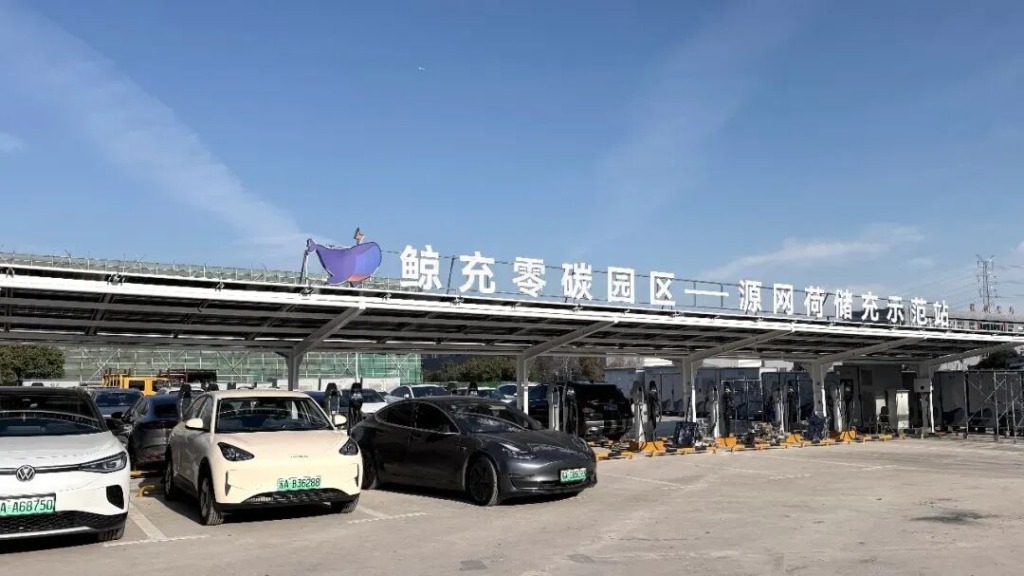
To meet growing demand, equipment installation is underway at its new 15,000‑square‑meter Phase‑II smart-manufacturing plant in Lishui, set to begin operations in September. The company projects annual output of RMB 300 million (approx. €38 million) for 2026 and plans to accelerate overseas expansion in 2027, focusing on Europe and Southeast Asia.
JING CHARGING’s rise reflects a broader dynamic in Lishui District, a core hub for Nanjing’s new-energy vehicle sector, where dense supply chains help innovators move from concept to production faster. The local government has set up a dedicated export support team to assist with regulatory compliance, logistics, and market entry—resources that proved critical for the company’s European certification process.
For global partners looking to scale EV charging infrastructure, JING CHARGING offers full in-house control over power electronics, a proven track record in demanding coastal environments, and a manufacturing base in one of China’s most complete automotive supply chains.